For Dr. Joia Mukherjee, Senior Clinical Advisor at Partners In Health (PIH), and Cate Oswald, Chief Program Officer, visiting Liberia is far more than a routine field visit—it’s a deeply personal homecoming. With decades of global health experience, they found their recent trip to Maryland County overwhelmingly moving. Dr. Joia, a committed member of PIH for over 25 years, reflected on her unwavering connection to the organization’s mission: prioritizing healthcare for the poor. Cate, marking her 20-year tenure, shared the emotional impact of returning to Harper, where a jubilant community choir and local doctors welcomed her with warmth that brought tears to her eyes.
Their visits go beyond symbolism; they represent a commitment to supporting local teams and witnessing the revival of a health system once devastated by conflict and outbreaks. This transformation isn’t just about infrastructure or medicine; it’s rooted in intentional, structural compassion. Both leaders embody a philosophy of pragmatic solidarity: working hand in hand with local communities to create lasting change.
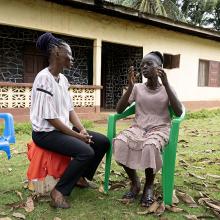
Dr. Joia emphasized the importance of addressing the bio-psychosocial challenges patients face. She explained that effective healthcare cannot exist in isolation from basic needs like food, housing, and emotional support. This philosophy is captured in the concept of accompaniment, walking alongside patients through their health journey while tackling the social determinants of their well-being.
Unlike many transient NGOs, PIH Liberia has built enduring trust with local authorities over the past decade, from superintendents and mayors to communities. Cate recalled PIH’s arrival in 2014, when instead of imposing external agendas, the organization approached the community with a simple yet powerful question: “What do you need?” This collaborative spirit laid the foundation for a seamless network connecting community health workers to advanced care facilities, such as James Jenkins Dossen (JJD) Hospital in Maryland County. The result is a promise that no patient will be left behind.
From Abandonment to Transformation
The impact of this approach is evident in countless lives. Dr. Joia shared a poignant story of a man who was once bedridden and abandoned by his family. A community health worker discovered him, and through relentless care and nutritional support, he experienced a remarkable recovery. Today, he walks and rebuilds connections within his neighborhood. Reflecting on this transformation, Dr. Joia said, “If we are judged by one person at a time, we can be judged by the great work that the community health worker has done with the team to give that man a second chance at life.”
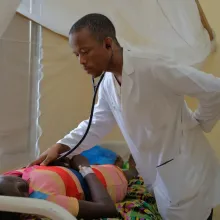
JJD Hospital symbolizes this transformation. Once a “nearly shuttered” facility without running water or electricity, it is now a thriving teaching hospital. Here, young clinicians, including family medicine residents and nursing students, treat patients with dignity, respect, and person-centered care. Dr. Joia calls this the “fairy dust” of PIH—a new generation trained not only to heal but to foster trust and human connection.
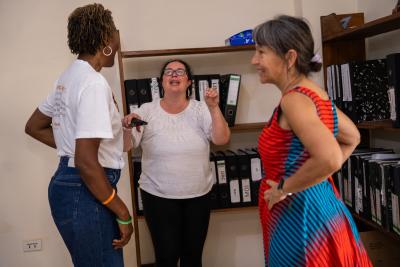
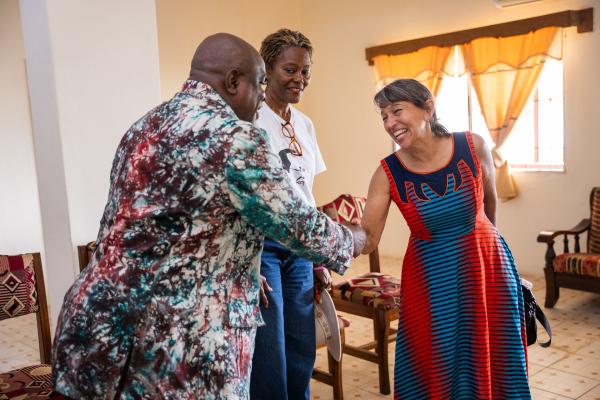
From left to right: Ms. Wingdie Didi Bertrand Farmer, wife of the late Dr. Paul Farmer; Cate Oswald, Principal Chief Program Officer at Partners In Health (PIH); and Dr. Joia Mukherjee, Senior Clinical and Academic Advisor at PIH, are engaged in conversation during their visit to Liberia in October 2025. Photo by Ansumana O. Sesay / PIH.
Cate highlighted the joy exhibited by healthcare workers in Maryland County, describing it as an act of resilience and resistance.
“I had tears of joy because it made me really appreciate the fact that even though things are so challenging all the time, the team always finds ways to celebrate joy, to recognize where we came from, and the commitment to social justice.”
Global Health is Local Action
Maryland County’s story offers a powerful lesson for the world: achieving global health equity begins with local action and unwavering dedication. Dr. Joia stressed the urgency of continued investment, noting,
“We need more, not less, support at a time like this.” While acknowledging the strength of the local team, she underscored the immense unmet needs in a country still recovering from conflict and epidemics. Investing in local health systems, she argued, is not just about financing hospitals—it’s about fueling a movement that proves “social justice is a team sport.”
Cate concluded with a message of hope that resonates in challenging times: “There is always a solution. Nothing is impossible.” The work of PIH in Liberia serves as a testament to the power of solidarity and the possibility of recovery, not just for individuals, but for entire communities.